
 By admin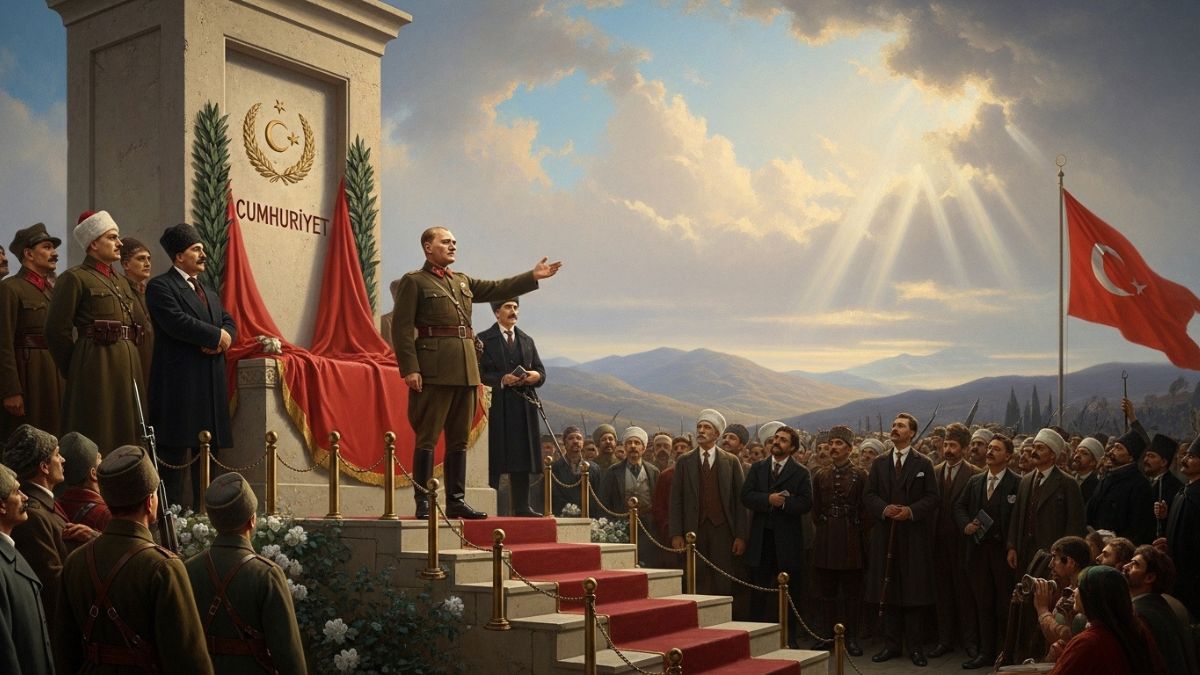
Cumhuriyet, or the Republic of Turkey, stands as a monumental achievement in modern history. It symbolizes not only a political transformation but also an evolution of identity for millions. As we delve into this pivotal moment in time, we unearth the rich tapestry of events and figures that shaped its foundation. The story begins with a struggle for independence and culminates in the establishment of a republic grounded in progressive ideals. Let’s explore how Cumhuriyet emerged from the ashes of war to become a beacon of hope and democracy.
The History Behind the Republic
The history behind Cumhuriyet is a tale of transformation. The late 19th and early 20th centuries were marked by turmoil in the Ottoman Empire. Nationalistic movements began to rise, fueled by a desire for autonomy and modernization.
World War I proved catastrophic, leading to the empire’s disintegration. In this chaos emerged a new vision—a republic where citizens would hold power rather than an imperial authority. The struggle was fierce, with battles fought on various fronts.
In 1923, after years of conflict and negotiation, Turkey declared itself a republic. This shift represented not just political change but also social upheaval—paving the way for reforms that would reshape society entirely. The ideals of sovereignty and citizenship took precedence over monarchy.
This historical backdrop set the stage for profound changes that still resonate in Turkish identity today.
Mustafa Kemal Atatürk: The Father of the Republic
Mustafa Kemal Atatürk stands as a towering figure in Turkish history. Born in 1881, he emerged as a visionary leader during the tumultuous aftermath of World War I.
Atatürk’s military prowess was evident during the Gallipoli Campaign. His strategic genius not only secured victories but also ignited national pride among the Turkish people.
After declaring the Republic in 1923, he set forth radical reforms that transformed Turkey’s societal fabric. Education became mandatory; secularism replaced religious governance, and women’s rights saw significant advancement.
His commitment to modernization propelled Turkey towards becoming a progressive nation-state. Atatürk’s principles—known as Kemalism—continue to influence political discourse today.
Through his relentless pursuit of reform and unity, he forged an identity for modern Turkey that resonates deeply with citizens even now. The legacy of Atatürk is woven into the very essence of Cumhuriyet itself.
Key Principles of Cumhuriyet
Cumhuriyet stands on several foundational principles that shape modern Turkey. At its core is sovereignty, emphasizing the authority of the people over any ruler or government.
Another vital principle is secularism. This ensures a separation between religion and state affairs, promoting freedom of belief for all citizens. It paves the way for diverse voices in society.
Equality also plays a crucial role within Cumhuriyet’s framework. The aim is to provide equal rights and opportunities regardless of gender, ethnicity, or socioeconomic status. Education becomes a fundamental right under this principle, fostering an informed citizenry.
Nationalism promotes unity among Turkish citizens while embracing cultural diversity within its borders. These principles collectively create a dynamic landscape where democracy can flourish and individual freedoms are nurtured.
Impact and Legacy of Cumhuriyet
Cumhuriyet has profoundly shaped modern Turkey. Established in 1923, it marked the transition from an empire to a nation-state. This transformation brought about significant social and political changes.
Education became more accessible, empowering citizens with knowledge and skills. Schools flourished, fostering a sense of national identity among diverse communities.
Women’s rights saw substantial advancements as well. With reforms introduced by Mustafa Kemal Atatürk, women gained the right to vote and participate in public life. This shift altered societal roles dramatically.
Economically, Cumhuriyet laid the groundwork for modernization and industrialization. Infrastructure projects connected cities and improved daily life for many.
The legacy of Cumhuriyet continues to influence contemporary Turkish society today. It serves as a guiding principle for democracy, secularism, and unity amidst diversity—values that remain vital in navigating current challenges faced by the nation.
Challenges and Controversies Surrounding Cumhuriyet Today
Cumhuriyet, while celebrated for its foundation of modern Turkey, faces numerous challenges today. The political landscape has seen a shift towards authoritarianism, raising concerns about democratic values.
Debates surrounding secularism and religious influence in governance continue to spark heated discussions. Many citizens feel caught between preserving Atatürk’s vision and adapting to contemporary societal changes.
Economic struggles also play a role in these controversies. High inflation and unemployment challenge the principles of equality that Cumhuriyet espouses.
Moreover, minority rights remain a contentious issue. Kurdish identity and demands for greater autonomy highlight the ongoing struggle for inclusivity within the republic’s framework.
These complexities create an environment where traditional ideals clash with evolving social dynamics. This tension shapes not only public discourse but also the future direction of Turkey as it grapples with its Cumhuriyet heritage amidst modern realities.
Conclusion
Cumhuriyet stands as a monumental achievement in Turkey’s history. It represents a shift from an empire to a modern nation-state, fostering unity and progress among diverse communities. The leadership of Mustafa Kemal Atatürk laid the groundwork for democratic governance, emphasizing secularism and education.
The principles enshrined in Cumhuriyet continue to shape Turkish society today. They inspire ongoing debates about identity, freedom, and governance. While challenges remain, the legacy of Cumhuriyet fuels aspirations for growth and reform.
As Turkey navigates its path forward, the ideals of Cumhuriyet serve as both a beacon of hope and a reminder of past struggles. Engaging with these concepts remains vital for future generations committed to building on this foundation.