
 By admin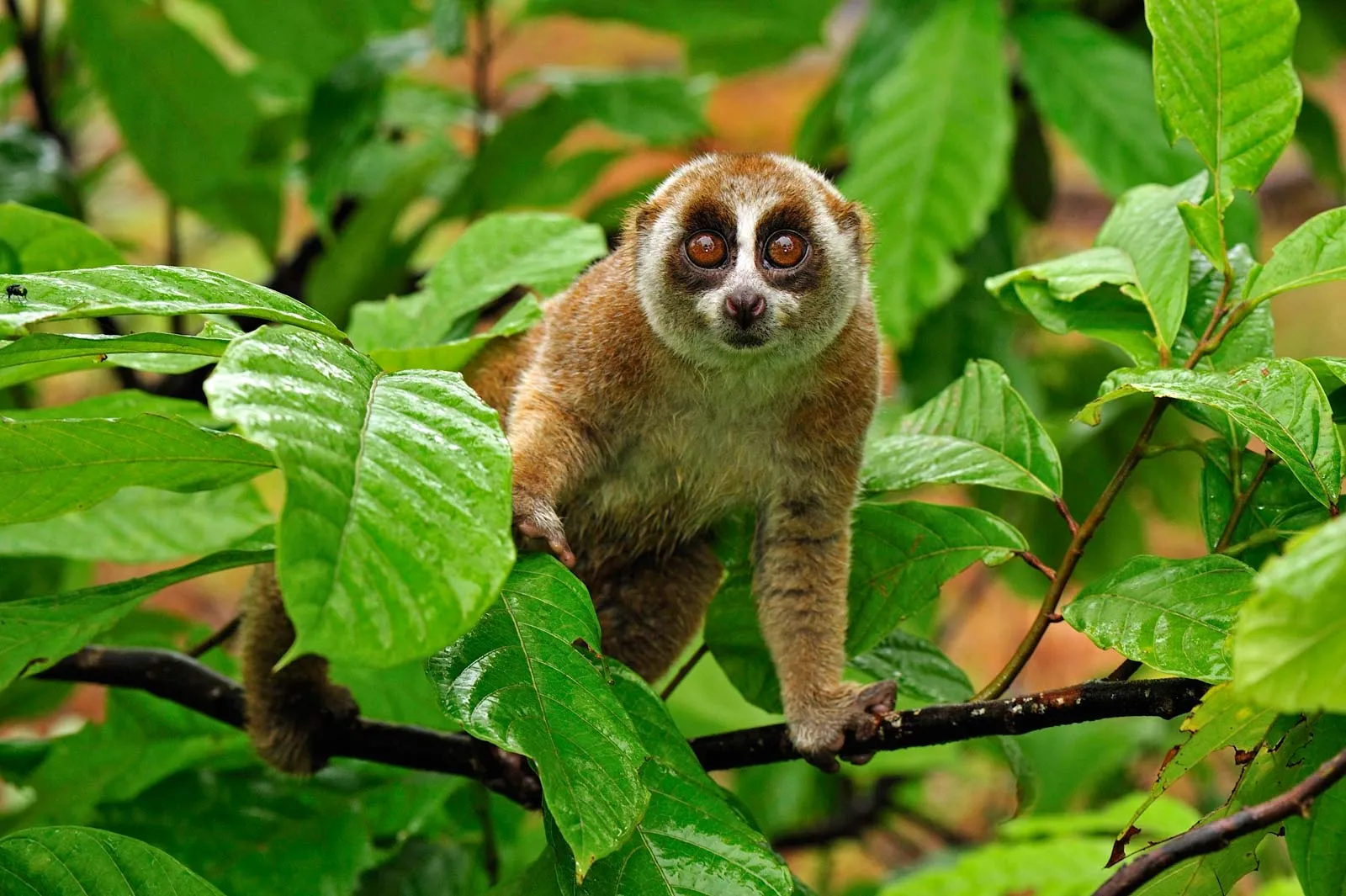
Introduction to Loris
Nestled in the lush jungles of Southeast Asia, a creature as adorable as it is mysterious roams under the cover of night. Meet the loris—a small primate that captures hearts with its big eyes and unique characteristics. These enchanting animals are often overlooked but play a vital role in their ecosystems. As we delve into the fascinating world of lorises, prepare to uncover intriguing facts about their physical traits, quirky behaviors, and the challenges they face in our rapidly changing world. Join us on this journey to appreciate one of nature’s most captivating night-dwellers!
Physical Characteristics and Adaptations
Lorises are remarkable creatures, showcasing a blend of charm and utility in their physical traits. With large, expressive eyes adapted for nocturnal vision, they can navigate the night with ease. Their round faces give them a perpetually cute appearance.
Their limbs are designed for grasping and climbing. Long arms and flexible joints allow lorises to move gracefully through trees. This helps them evade predators while searching for food.
A unique feature is their slow-moving nature; this energy-efficient behavior conserves resources in dense forests where food may be scarce.
Additionally, lorises possess specialized glands that produce toxins. When threatened, some species secrete these toxins onto their fur or bite intruders as a defense mechanism.
These adaptations make lorises not just adorable but also incredibly suited to thrive in their environment.
Habitat and Distribution
Lorises are primarily found in the lush tropical forests of Southeast Asia. Their distribution spans countries like India, Sri Lanka, Thailand, Vietnam, and Malaysia. Each species has adapted to specific environments within this rich biome.
These adorable creatures prefer dense foliage where they can easily navigate trees. Their slow-moving nature makes them masters of camouflage among the leaves. This helps them avoid predators while hunting for food.
The habitats they thrive in range from rainforests to woodlands and even scrubland areas. The quality of their environment directly affects their survival rates. Deforestation poses a significant threat by shrinking their living spaces.
As these forests disappear due to human activity, loris populations become increasingly vulnerable. Protecting their habitat is essential for maintaining healthy ecosystems that support not just lorises but countless other species as well.
Diet and Feeding Habits
Lorises have a fascinating diet that reflects their nocturnal lifestyle. These small primates are primarily insectivorous, using their keen sense of smell to locate insects at night. They also enjoy a variety of fruits and tree gums, which provide essential nutrients.
An intriguing aspect of loris feeding is their unique method of consuming food. They often use both hands to grasp items while sitting in trees, showcasing impressive dexterity. Their slow and deliberate movements help them remain undetected by predators.
Loris saliva contains toxins that can deter potential threats and offers an extra layer of protection when they bite into prey or chew on plants. This unusual adaptation highlights the complexities within their diet and survival strategies.
Their feeding habits are closely tied to the ecosystems they inhabit, making them vital contributors to maintaining ecological balance through seed dispersal and pest control.
Unique Behaviors and Social Interactions
Lorises are truly captivating creatures, showcasing a range of unique behaviors that set them apart in the animal kingdom. One of their most fascinating traits is their slow, deliberate movement. This stealthy approach helps them avoid detection by predators while foraging at night.
Socially, lorises tend to be solitary animals. However, they do engage in vocal communication with each other through soft calls and grunts. These sounds can convey various messages, from mating invitations to warnings about potential threats.
Interestingly, some species exhibit a behavior known as “grooming,” where they meticulously clean themselves or even others. This not only strengthens social bonds but also plays an essential role in maintaining hygiene and health among individuals.
When threatened, lorises have an unusual defense mechanism: they secrete a toxic substance from their elbows that can deter predators. It’s just another example of how these small mammals cleverly adapt to survive in their natural habitats.
Threats and Conservation Efforts
Lorises face numerous threats in their natural habitats. One of the most pressing issues is habitat destruction due to deforestation and urban development. As forests vanish, these nocturnal creatures lose their homes and food sources.
Additionally, illegal wildlife trade poses a significant risk. Lorises are often captured for the exotic pet market or sold for traditional medicine. The demand leads to cruel practices, resulting in suffering and population decline.
Conservation efforts are essential to protect lorises from these dangers. Organizations worldwide work towards habitat preservation by creating protected areas. Education initiatives aim to raise awareness about the plight of lorises.
By promoting sustainable practices, communities can help mitigate the impact of human activities on loris populations. Collaboration between governments, NGOs, and local populations is vital for effective conservation strategies that ensure a future where these enchanting animals thrive in the wild.
Human Interaction with Lorises: Ethical Considerations
The interaction between humans and lorises raises significant ethical concerns. These adorable creatures, often captured for the pet trade, suffer immensely from inhumane practices. Many people are unaware of the challenges faced by lorises when taken from their natural habitats.
In captivity, lorises can experience stress and health issues due to improper care. Their specialized diets and nocturnal habits make it difficult for them to thrive outside their environments. As a result, many end up in dire conditions.
Conservationists emphasize the need for awareness about these issues. Educating potential pet owners is crucial to preventing further exploitation of these unique primates. Supporting wildlife sanctuaries that rescue and rehabilitate lorises can also help combat this troubling trend.
It’s essential to prioritize their welfare over momentary fascination. Ethical considerations must guide our interactions with such enchanting beings if we hope to preserve their populations for future generations.
The Future of Lorises: Challenges and Opportunities
The future of lorises is precarious, yet it holds potential for positive change. Habitat destruction remains a significant challenge. As forests dwindle, these adorable creatures lose their homes and food sources.
On the other hand, awareness about lorises is growing. Conservation groups are working tirelessly to educate communities about their importance in ecosystems. This can lead to better protection efforts.
Ecotourism presents an opportunity as well. Responsible tourism can create economic incentives for local populations to preserve natural habitats instead of exploiting them.
Research into loris biology and behavior also promises new insights that could inform conservation strategies. By understanding their needs better, we can develop targeted approaches to safeguard these night-dwellers.
Partnerships between governments, NGOs, and local communities will be crucial moving forward. Collaborative efforts have the power to foster sustainable practices that benefit both people and wildlife alike.
Conclusion: Why We Should Appreciate and Protect These Enchanting Creatures
The loris captivates us with its large eyes and gentle demeanor. These nocturnal creatures play a crucial role in their ecosystems, contributing to pest control and seed dispersal. As unique animals that have adapted to thrive in specific environments, they remind us of the delicate balance in nature.
However, lorises face significant threats from habitat destruction and illegal wildlife trade. It’s essential for conservation efforts to continue making strides toward preserving their natural habitats. Every action taken helps ensure these charming creatures can flourish for generations to come.
By appreciating the beauty and uniqueness of lorises, we create awareness about their plight and inspire others to join the cause. Protecting them isn’t just an act of kindness; it’s a step towards maintaining biodiversity on our planet. Embracing this responsibility allows us not only to safeguard lorises but also enrich our understanding of nature’s intricate web of life.