
 By admin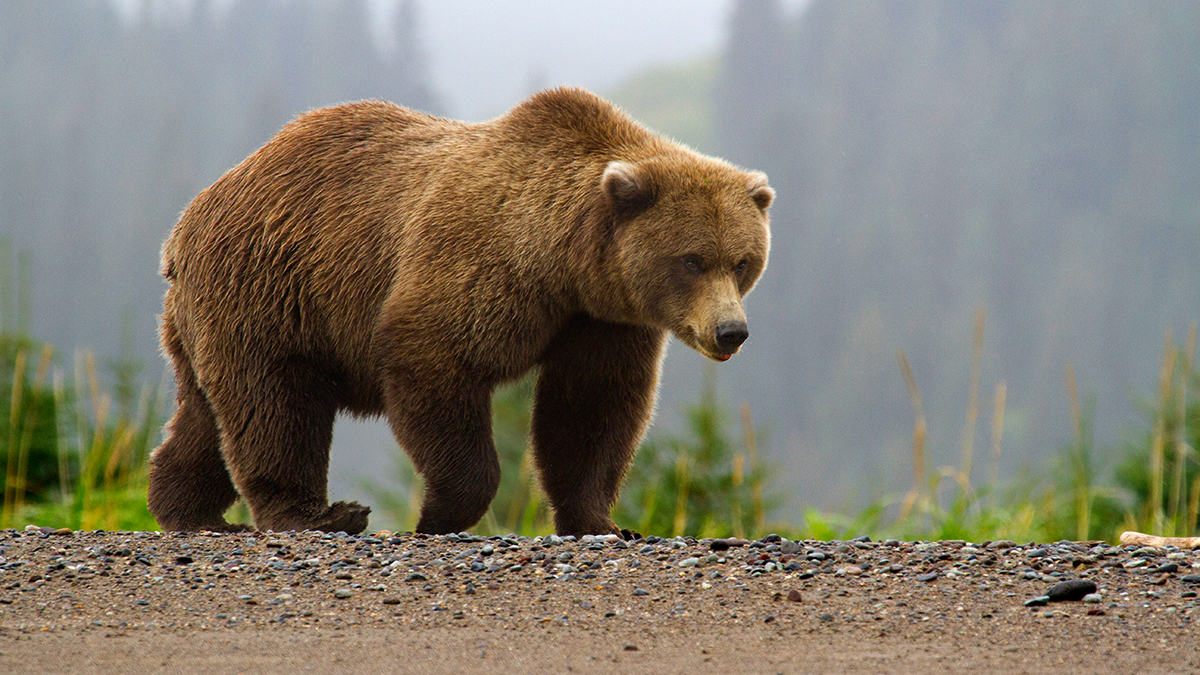
Introduction to the Brown Bear
The brown bear is a creature that commands both admiration and awe. With its towering stature and powerful presence, it captures the imagination of nature lovers worldwide. Often referred to as “nature’s gentle giant,” this magnificent animal roams through forests, mountains, and tundras, embodying a unique blend of strength and grace. From Alaska’s vast wilderness to the serene landscapes of Europe, brown bears play a vital role in their ecosystems.
But what really makes these colossal mammals so fascinating? Let’s take an intimate look into their world—their physical traits, diet, social behaviors, challenges they face in modern times—and why we must protect these extraordinary beings. Join me on this journey as we explore the life of the majestic brown bear!
Physical Characteristics and Habitat
The brown bear is an imposing creature, with adults typically weighing between 300 to 1,500 pounds. Their thick fur varies from blonde to dark chocolate, providing excellent insulation against the elements.
These bears possess powerful limbs and strong claws that can exceed four inches in length. This physical prowess helps them navigate diverse terrains effortlessly. They are agile despite their size, capable of running up to 30 miles per hour over short distances.
Brown bears inhabit a range of environments across North America, Europe, and Asia. From dense forests to alpine meadows, they thrive in areas rich with vegetation and water sources. These majestic giants prefer remote regions where human interaction is minimal.
Their habitats often shift seasonally as they follow food availability. During summer months, you’ll find them near rivers teeming with salmon or foraging in berry patches during late summer’s bounty.
Diet and Hunting Habits
Brown bears are omnivorous creatures, which means their diet is incredibly diverse. These gentle giants enjoy a mix of plants, berries, fish, and small mammals. During the summer months, you can find them feasting on ripe berries and grasses.
Salmon fishing is a favorite pastime for many brown bears. They wait patiently by rivers during spawning season. With remarkable agility, they catch fish mid-leap.
In addition to aquatic delicacies, brown bears also scavenge for carrion when necessary. Their keen sense of smell helps them locate food sources from miles away.
Hunting habits vary based on location and availability of resources. Some may dig up roots or tear apart rotting logs to find insects underneath. This adaptability ensures that they thrive in different environments throughout their range.
Through all these methods, brown bears maintain a balanced diet essential for their survival in the wild’s demanding conditions.
Social Behavior and Family Life
Brown bears exhibit a fascinating range of social behaviors. While they are generally solitary animals, their interactions become more pronounced during certain seasons. Mating season brings together males and females, while mother bears are known to fiercely protect their cubs.
Family life revolves around the nurturing relationship between a mother and her offspring. After giving birth in dens, mothers care for their young for about two years. During this time, she teaches them essential survival skills like hunting and foraging.
Communication among brown bears is subtle yet effective. They use vocalizations such as growls or grunts to convey messages and establish territory. Body language also plays an important role; posturing can indicate aggression or submission.
While they might appear intimidating, these gentle giants form strong bonds with their young, showcasing a tender side that often goes unnoticed in wildlife documentaries.
Threats and Conservation Efforts
Brown bears face numerous threats that jeopardize their survival. Habitat loss is one of the most significant challenges, often driven by urban development and logging activities. As forests shrink, these majestic animals find it increasingly difficult to roam freely.
Climate change also plays a crucial role in their diminishing numbers. Altered weather patterns disrupt food sources like salmon, which are vital during the bears’ feeding season. Without sufficient nutrition, their health declines.
Poaching remains another serious concern. Illegal hunting significantly reduces bear populations in some areas. Strict regulations and enforcement efforts are essential to combat this issue effectively.
Conservation initiatives focus on protecting habitats and fostering coexistence with local communities. Wildlife corridors have been established to allow safe passage between fragmented regions. Education programs help raise awareness about these gentle giants’ ecological importance as well as promote responsible tourism practices that benefit both bears and humans alike.
Fascinating Facts about Brown Bears
Brown bears have an incredible sense of smell, estimated to be seven times stronger than that of a bloodhound. This remarkable ability helps them locate food from miles away.
These majestic creatures can weigh up to 1,500 pounds and stand over eight feet tall when on their hind legs. Despite their size, they are surprisingly agile and can run at speeds of up to 30 miles per hour.
Brown bears are known for their unique hibernation patterns. They enter a state of torpor during winter months, slowing down their metabolism significantly while living off stored fat.
Interestingly, brown bear mothers usually give birth in January or February while still in the den. Cubs are born blind and hairless but quickly grow under the care of their protective mother.
Their vocalizations range from grunts and growls to more complex sounds like snorts or woofs, which help communicate with other bears in various situations.
Conclusion: The Importance of Protecting These Gentle Giants
The majestic brown bear plays a crucial role in its ecosystem. These gentle giants help maintain the balance of nature through their foraging and hunting habits. As top predators, they regulate populations of other species, ensuring that ecosystems remain healthy and diverse.
Protecting brown bears means preserving their habitats from urban development, pollution, and climate change. Conservation efforts are vital to ensure these incredible animals continue to roam wild landscapes.
Brown bears also hold cultural significance for many communities around the world. They symbolize strength and resilience while reminding us of our responsibility to protect wildlife.
Safeguarding these magnificent creatures is vital not just for them but for future generations who deserve to witness their beauty in nature. The survival of the brown bear is intertwined with our own well-being on this planet. By supporting conservation initiatives, we can all play a part in ensuring that these gentle giants thrive long into the future.