
 By admin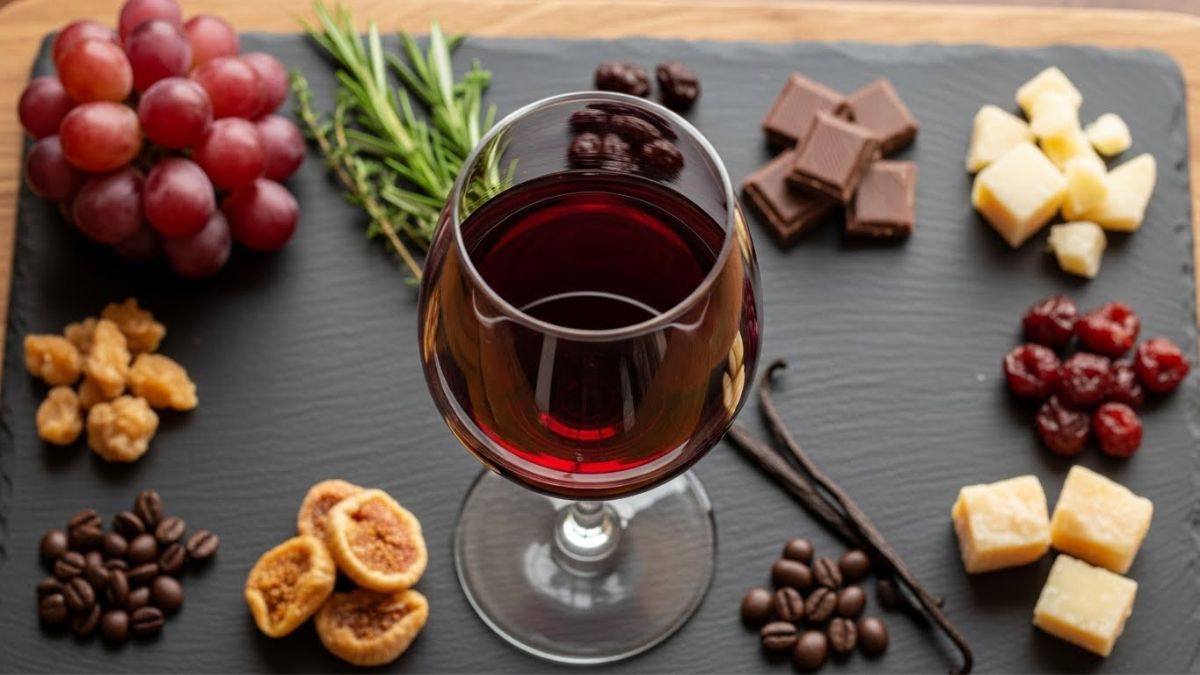
Dry red wine is more than just a drink; it’s an experience that transcends the ordinary. With its rich colors, complex flavors, and enticing aromas, it invites you to embark on a journey through vineyards and traditions. Whether you’re a seasoned connoisseur or just beginning to explore the world of wine, understanding dry red wine opens up a universe of tastes waiting to be discovered.
Imagine sipping on a glass of Cabernet Sauvignon while savoring hints of dark fruit and earthy undertones. Or perhaps you’d prefer the velvety texture of Merlot as it dances on your palate with notes of plum and chocolate. Each bottle tells its own story—a testament to the grapes’ origins, the climate they thrived in, and the meticulous crafting that brought them to life.
Join us as we delve deeper into what makes dry red wines so intriguing. From their production methods to food pairings that enhance their character, this exploration promises delightful insights for every wine lover!
What Makes a Wine
Wine is an intricate blend of nature and craft. The essence of a wine comes from its grapes, which are influenced by the terroir—the unique combination of soil, climate, and geography where they’re grown. This connection to place gives each wine its character.
Fermentation plays a crucial role in shaping flavor. Yeast consumes the sugars in grape juice, converting them into alcohol while producing various compounds that contribute to aroma and taste.
The winemaker’s techniques also leave their mark. Choices about fermentation temperature, aging methods, and oak treatment can enhance or mellow certain qualities.
Acidity balances sweetness and influences freshness. Tannins provide structure and complexity but can vary greatly between different varieties.
All these elements come together to create the rich tapestry we know as wine—each bottle telling a story through its flavors and aromas.
The Production Process of Dry Red Wine
The production of dry red wine begins with hand-picking ripe grapes. This careful selection ensures only the best fruit is used, impacting flavor and quality.
Once harvested, grapes are destemmed and crushed. The juice is extracted while the skins remain in contact to impart color and tannins, essential for developing rich flavors.
Fermentation follows, where yeast converts sugars into alcohol. This process can take several weeks as winemakers monitor temperature and progress closely.
After fermentation, the wine undergoes malolactic fermentation. Here, harsh malic acid transforms into softer lactic acid, adding complexity to the taste profile.
Next comes aging in barrels or tanks. Different materials influence character; oak barrels add vanilla notes while stainless steel preserves fresh fruit flavors.
Blending may occur to achieve desired balance before bottling. Each step shapes dry red wine’s unique personality—an art form steeped in tradition and precision.
Exploring the Different Varieties of Dry Red Wine
When it comes to dry red wine, the diversity is astonishing. From robust Cabernet Sauvignon to delicate Pinot Noir, each variety offers a unique tasting experience.
Cabernet Sauvignon often boasts bold flavors of dark fruits like blackcurrant and plum. Its tannins provide structure, making it perfect for aging.
Pinot Noir, on the other hand, showcases lighter notes with hints of cherry and earthiness. This varietal is celebrated for its complexity and ability to reflect terroir.
Syrah/Shiraz brings spiciness into play. With flavors ranging from blackberry to smoked meats, it’s versatile enough for various occasions.
Merlot tends to be fruit-forward with a softer mouthfeel. It’s an approachable choice that pairs well with many dishes.
Each variety not only highlights specific characteristics but also invites exploration within regional differences. Different winemaking techniques can further enhance these unique profiles.
Common Flavor Profiles and Aromas Found in Dry Red Wines
Dry red wines boast a diverse range of flavor profiles and aromas that can enchant the palate. Each sip often reveals layers waiting to be discovered.
Fruity notes are predominant, with cherries, blackberries, and plums appearing frequently. These vibrant flavors provide a refreshing backdrop in a wide variety.
Earthy undertones add depth. You may notice hints of leather, tobacco, or even elements reminiscent of a forest floor. Such characteristics ground the wine and enhance its complexity.
Spicy nuances also play a role. Expect subtle pepperiness or clove-like warmth in some blends. This spiciness creates an intriguing contrast to the fruitiness.
Floral scents may surprise you too—think violets or dried roses wafting through your glass. These delicate aromas elevate the overall experience.
Oak aging introduces vanilla and cocoa notes into the mix. The interplay between these components is what makes each bottle unique and memorable.
Food Pairings for Dry Red Wines
When it comes to food pairings, dry red wine shines. Its complex flavors complement a variety of dishes, elevating any meal.
Rich meats like beef and lamb harmonize beautifully with full-bodied reds such as Cabernet Sauvignon or Syrah. The tannins in these wines cut through the richness, creating balance.
For those who enjoy poultry, consider pairing Pinot Noir with roasted chicken or duck. The wine’s acidity enhances the dish without overpowering it.
Vegetarian options can also shine alongside dry reds. A hearty mushroom risotto matches well with Merlot’s smooth texture and fruitiness.
Cheese lovers will find joy in combining aged cheddar or Gruyère with a robust Malbec. This combination brings out deep flavor notes that linger on the palate.
Experimentation is key; don’t hesitate to try new combinations that suit your taste buds perfectly!
Health Benefits of Drinking Dry Red Wine in Moderation
Dry red wine, when consumed in moderation, offers a range of potential health benefits. It contains antioxidants like resveratrol and flavonoids, which can help combat oxidative stress in the body.
Research suggests that these compounds may contribute to heart health by improving cholesterol levels and reducing blood pressure. Regular moderate consumption is linked to better cardiovascular function.
Additionally, dry red wine has been associated with improved cognitive function. Some studies indicate that its antioxidant properties might protect against neurodegenerative diseases as one ages.
The polyphenols found in red wine also play a role in promoting gut health. They can encourage healthy bacteria growth while inhibiting harmful pathogens.
Of course, moderation is key. Enjoying a glass or two with meals may provide these benefits without leading to adverse effects commonly associated with excessive alcohol intake.
Tips for Choosing and Storing Dry Red Wines
When choosing a dry red wine, consider the region and grape variety. Each brings its own unique character. Look for wines labeled with specific varietals like Cabernet Sauvignon or Merlot to find your favorite flavor profile.
Pay attention to the vintage as well. Some years produce exceptional quality due to ideal growing conditions. Don’t hesitate to ask for recommendations at your local wine shop; knowledgeable staff can guide you.
For storage, keep bottles in a cool, dark place away from light and temperature fluctuations. A dedicated wine fridge is ideal but not necessary if you have a suitable spot at home.
Store bottles horizontally to keep the cork moist and avoid air exposure. Be mindful of humidity levels—around 70% is perfect—to prevent cork deterioration and spoilage of your cherished wines.
Conclusion:
Dry red wine invites exploration. Each bottle tells a story, from vineyard to glass.
Its diverse flavors and aromas create unique experiences for every palate. The thrill of discovering your favorite varietal adds to the joy of wine tasting.
Pairing dry red wine with food elevates meals into memorable occasions. It enhances both cuisine and conversation.
Health benefits emerge when enjoyed in moderation, providing reasons beyond pleasure to savor each sip.
Choosing and storing this delightful beverage can enhance its life span and complexity over time. Knowing how to care for your collection makes you more than just a consumer; it turns you into a connoisseur.
The journey through dry red wine is endless, filled with learning, tasting, and enjoying every moment along the way. Explore boldly!
FAQ’s
Dry red wine has captivated palates for centuries. From its rich, complex flavors to the health benefits associated with moderate consumption, it’s a beverage worth exploring. Whether you’re a novice or a seasoned connoisseur, understanding dry red wine can enhance your appreciation and enjoyment of this timeless drink.
What is considered dry red wine?
Dry red wines have little to no residual sugar left after fermentation. Popular varieties include Cabernet Sauvignon, Merlot, and Pinot Noir.
How do I know if a red wine is dry?
You can usually find this information on the label or by researching specific varietals. Tasting notes often describe whether a wine leans sweet or dry.
What are some popular food pairings with dry red wine?
Dry reds pair well with hearty dishes such as grilled meats, stews, and aged cheeses. They also complement dark chocolate desserts beautifully.
Is drinking dry red wine good for my health?
Moderate consumption of dry red wine may offer certain health benefits due to its antioxidants and polyphenols that support heart health when consumed responsibly.
How should I store my unopened bottles of dry red wine?
Keep them in a cool, dark place away from direct sunlight and temperature fluctuations. A dedicated wine fridge is ideal but not necessary; just ensure they stay at consistent temperatures between 55-65°F (13-18°C)