
 By admin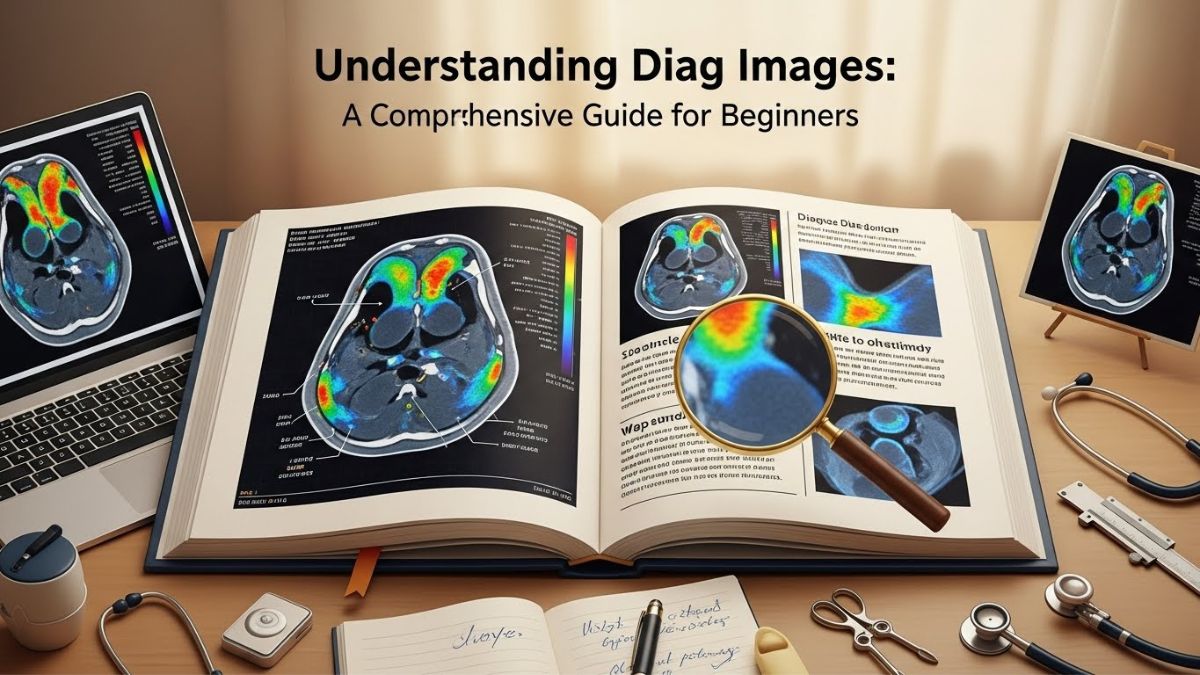
When it comes to diagnosing medical conditions, images are worth more than a thousand words. Diag images serve as indispensable tools in modern medicine, allowing healthcare professionals to peer inside the body and understand what’s happening beneath the surface. Whether you’re curious about your health or just eager to learn more about how these technologies work, this comprehensive guide will take you through everything you need to know about diag images.
From X-rays capturing skeletal structures to MRIs providing detailed views of soft tissues, each type plays a unique role in patient care. Understanding how these imaging techniques function can help demystify the process for patients and empower them with knowledge. So let’s embark on this informative journey into the world of diag images!
What are Diag Images?
Diag images are visual representations of the inside of the body, created using various imaging technologies. They help healthcare professionals diagnose medical conditions and monitor treatment progress.
These images provide critical insights that can’t be obtained through physical examinations alone. By visualizing organs, tissues, and structures, doctors can make informed decisions about patient care.
The term “diag image” encompasses a wide range of techniques, each with its unique purpose and application in medicine. From detecting fractures to identifying tumors or assessing blood flow, these images play a vital role in modern diagnostics.
In essence, diag images bridge the gap between symptoms and accurate diagnosis. They allow for early intervention when necessary and create tailored treatment plans based on concrete evidence rather than guesswork.
The Different Types of Diag Images (X-ray, MRI, CT Scan, Ultrasound)
Diag images come in various forms, each with distinct purposes and capabilities.
X-rays are the most common type. They use radiation to create images of bones and certain tissues. This makes them invaluable for diagnosing fractures or infections.
MRI, or Magnetic Resonance Imaging, utilizes strong magnets and radio waves. It produces detailed pictures of soft tissue structures like muscles, ligaments, and organs. MRI is often preferred for conditions involving the brain or spinal cord.
CT scans combine multiple X-ray images to generate cross-sectional views of the body. This provides a comprehensive look at internal organs and can aid in detecting tumors.
Ultrasound uses sound waves to visualize soft tissues in real-time. It’s widely used during pregnancy but also serves critical roles in examining organs such as the heart and kidneys.
Each diag image type has its unique strengths, making it essential for medical professionals to choose wisely based on patient needs.
How to Interpret Diag Images
Interpreting diag images requires a keen eye and some basic knowledge. Each type of image offers unique insights into the body’s structure and function.
Start by familiarizing yourself with common terminologies. Understand what features to look for, such as fractures on X-rays or tumors in MRI scans.
Look at the density variations within images. For example, lighter areas on an X-ray might indicate denser materials like bones, while darker regions could represent air or fluids.
Consider using comparison techniques. Always compare current images with previous ones to detect changes over time.
Consult medical professionals when necessary. They can provide more context and help clarify any uncertainties about your findings.
Practice makes perfect; viewing multiple examples will enhance your skills in recognizing normal versus abnormal appearances across different diag images.
Advantages and Disadvantages of Using Diag Images
Diagnostic imaging offers numerous advantages in the medical field. It allows for non-invasive visualization of internal structures, making it easier for doctors to diagnose conditions accurately. This technology enhances patient care by facilitating early detection of diseases.
On the flip side, there are disadvantages associated with diag images. Exposure to radiation is a significant concern, particularly with X-rays and CT scans. While the benefits often outweigh the risks, it’s essential to consider this factor when opting for certain types of imaging.
Another drawback is the potential for misinterpretation. Images can sometimes be unclear or misleading, leading to incorrect diagnoses or unnecessary procedures.
Additionally, access and costs can pose challenges as not all facilities offer advanced diagnostic imaging technologies due to high expenses or limited resources. These factors must be weighed carefully before proceeding with diag image tests.
Common Uses of Diag Images in the Medical Field
Diag images play a crucial role in modern medicine. They help doctors diagnose and treat various conditions effectively.
X-rays are widely used to identify fractures, infections, or tumors. Their speed makes them ideal for emergency situations.
MRI scans provide detailed images of soft tissues. This is essential for examining the brain, spinal cord, and joints.
CT scans offer comprehensive views of internal organs. They assist in detecting cancers and monitoring treatment progress.
Ultrasound imaging is commonly employed during pregnancy to monitor fetal development. It’s also useful for assessing abdominal organs like the liver and kidneys.
Beyond diagnosis, diag images guide certain procedures. For instance, they can help physicians perform biopsies with precision by visualizing targeted areas.
The versatility of diag image technologies continually enhances patient care across medical specialties.
Tips for Preparing for a Diag Image Procedure
Preparing for a diag image procedure can feel daunting, but it doesn’t have to be. Start by understanding the specific requirements of your imaging type. Each one may have unique protocols.
If you’re scheduled for an X-ray or CT scan, wearing loose clothing is advisable. This makes the process smoother and more comfortable. For MRI scans, you might need to avoid metal objects like jewelry and belts.
Stay hydrated unless instructed otherwise, as this can help with certain procedures like ultrasound exams. However, remember not to eat or drink anything if fasting is required prior to your appointment.
Ask questions ahead of time about what will happen during the procedure; clarity helps ease anxiety. Bring along any necessary documents such as insurance cards and previous medical records to streamline the process when you arrive.
New Advancements in Diag Imaging Technology
The field of diag imaging technology is rapidly evolving, bringing exciting innovations to healthcare. One notable advancement is the integration of artificial intelligence in image analysis. AI algorithms can now assist radiologists by detecting anomalies more accurately and quickly than ever before.
Another significant development is 3D imaging, which allows for a more comprehensive view of internal structures. This technology enhances surgical planning and improves patient outcomes by providing detailed visuals that traditional methods cannot offer.
Portable ultrasound devices are also gaining popularity, offering flexibility in diagnostics outside conventional hospital settings. These compact tools enable immediate assessments in emergency situations or remote locations.
Moreover, advancements in magnetic resonance imaging (MRI) have led to faster scan times with improved resolution. Patients benefit from reduced discomfort while still receiving high-quality images for diagnosis.
These technological breakthroughs promise to enhance diagnostic accuracy and efficiency across various medical fields.
Conclusion
Diag images play a crucial role in modern medicine, providing insights that are essential for accurate diagnoses and effective treatment plans. Understanding the different types of diag images—such as X-rays, MRIs, CT scans, and ultrasounds—can empower patients to engage more actively in their healthcare decisions.
While interpreting these images can be complex, working closely with healthcare professionals ensures clarity and understanding. Each type of diag image comes with its own set of advantages and disadvantages. Knowing what to expect can alleviate anxiety when preparing for a procedure.
With rapid advancements in imaging technology, medical professionals now have access to tools that enhance diagnostic accuracy while minimizing patient discomfort. As medical science evolves, so does the importance of staying informed about these innovations.
Embracing knowledge about diag images not only demystifies medical procedures but also fosters better communication between patients and providers. By being proactive and prepared for your next diag image procedure, you take an important step toward better health outcomes.