
 By admin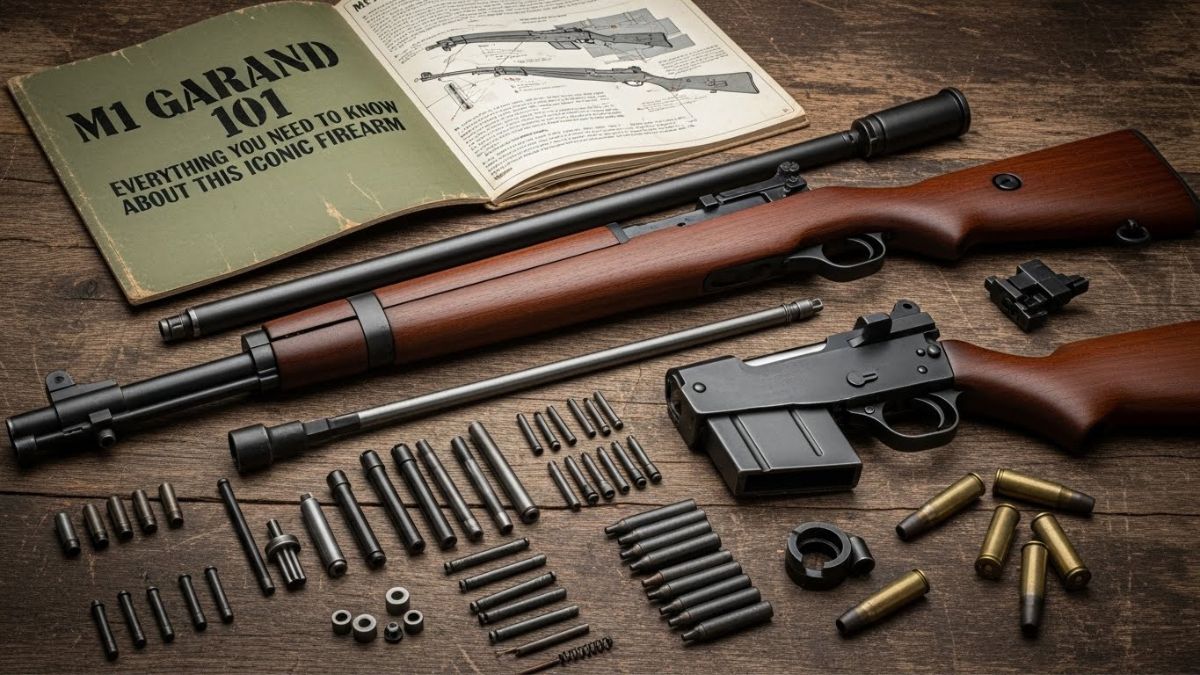
The M1 Garand is more than just a firearm; it’s a symbol of American history and ingenuity. This iconic rifle played a pivotal role during World War II and the Korean War, becoming the standard-issue weapon for U.
S. forces. Its unique design, reliability, and powerful performance have earned it a special place in the hearts of military enthusiasts and collectors alike.
Whether you’re an avid shooter or simply curious about this legendary piece of equipment, there’s so much to explore about the M1 Garand. From its fascinating origins to its key features and maintenance tips, we’ll cover everything you need to know about this remarkable firearm. Join us as we dive into the world of the M1 Garand!
History and Development of the M1 Garand
The M1 Garand emerged during the early 20th century, driven by a need for a reliable semi-automatic rifle. John Garand, a Canadian-born engineer working at the Springfield Armory, spearheaded its development in the 1920s.
Initial prototypes faced multiple challenges and modifications. The U.
S. military sought a firearm that could improve firing rates and reduce reloading times compared to bolt-action rifles.
By 1936, after years of testing and refinement, the M1 was officially adopted as the standard infantry rifle of the United States Army. Its design incorporated an innovative gas-operated mechanism that revolutionized battlefield efficiency.
World War II showcased its effectiveness on various fronts. Soldiers praised its accuracy and reliability under combat conditions, cementing its reputation as one of history’s most iconic firearms. As conflicts continued through Korea and beyond, the M1 Garand became synonymous with American military prowess.
Key Features and Specifications
The M1 Garand is renowned for its robust design and reliable functionality. This semi-automatic rifle features a gas-operated system that allows for faster follow-up shots compared to bolt-action counterparts.
Chambered in .30-06 Springfield, it offers impressive stopping power. The standard magazine holds eight rounds, providing ample firepower during engagements.
With a weight of approximately 9.5 pounds, it’s surprisingly manageable despite its size. The rifle’s overall length measures around 43 inches, making it easy to handle in various environments.
Another standout feature is the distinctive en-bloc clip loading system. This innovation not only facilitates quick reloads but also enhances the user experience by reducing downtime between shots.
The walnut stock adds both aesthetic appeal and durability, giving the M1 Garand an iconic look that has stood the test of time. Each element combines to create a firearm revered by collectors and historians alike.
How to Use and Maintain the M1 Garand
Using the M1 Garand effectively requires practice and familiarity with its operation. Begin by ensuring your firearm is unloaded before handling it. Familiarize yourself with the en-bloc clip system, as this distinguishes the Garand from many modern rifles.
When loading, insert an eight-round clip into the top of the receiver until it clicks in place. To fire, simply pull back on the operating rod and release to chamber a round.
Maintenance is key for optimal performance. Regularly clean your rifle after use to prevent corrosion and ensure reliability. Pay special attention to the barrel and gas system; these areas can accumulate residue quickly.
Inspect all moving parts regularly for wear or damage. Lubricate sparingly but adequately to maintain smooth operation without attracting excessive dirt and debris.
Store your M1 Garand in a cool, dry place, ideally in a protective case or rack when not in use.
Notable Uses in Military History
The M1 Garand played a crucial role during World War II. American soldiers wielded this rifle in numerous pivotal battles, including D-Day and the Pacific Campaign. Its semi-automatic action offered a significant advantage over bolt-action rifles used by many of their adversaries.
During the Korean War, the M1 Garand continued to prove its worth. Troops relied on its accuracy and reliability in harsh conditions, making it an essential part of their arsenal. The rifle’s effectiveness was evident as soldiers faced off against North Korean forces equipped with various firearms.
Even after being phased out for newer models like the M14, the legacy of the M1 Garand lived on. It remains a symbol of American military history and is honored at shooting competitions and ceremonies today. Its influence can still be felt among firearm enthusiasts who recognize its importance in shaping modern infantry tactics.
Collecting and Owning an M1 Garand
Collecting an M1 Garand is a rewarding venture for firearms enthusiasts. This iconic rifle represents both history and engineering excellence.
When searching for one, condition is paramount. Original parts and authenticity can significantly influence value. Look for markings that verify its service history.
Joining forums or local clubs can enhance your experience. Connecting with fellow collectors provides insights into maintenance and restoration techniques.
Owning an M1 Garand means understanding its significance in military history as well as the mechanics behind it. Regular cleaning and proper storage are essential to preserve this piece of art.
Whether you plan to display it or take it to the range, owning an M1 Garand connects you to a rich legacy of American marksmanship and craftsmanship that has stood the test of time.
Conclusion
The M1 Garand remains a testament to innovative engineering and military history. Its blend of reliability, accuracy, and unique operating mechanism has made it an enduring favorite among firearm enthusiasts. Understanding its rich heritage helps appreciate not only the role it played during significant conflicts but also how it shaped modern infantry rifles.
For collectors and shooters alike, owning an M1 Garand is more than just having a piece of equipment; it’s possessing a slice of history. Whether you admire its craftsmanship or enjoy shooting at the range, this iconic firearm holds stories within each round fired. The legacy of the M1 Garand continues to resonate with new generations, ensuring that this classic rifle remains relevant in discussions about firearms today.
As interest in historical firearms grows, so does the community surrounding them. Engaging with fellow enthusiasts can enhance your experience as you explore everything from restoration projects to competitive shooting events involving this remarkable weapon.