
 By admin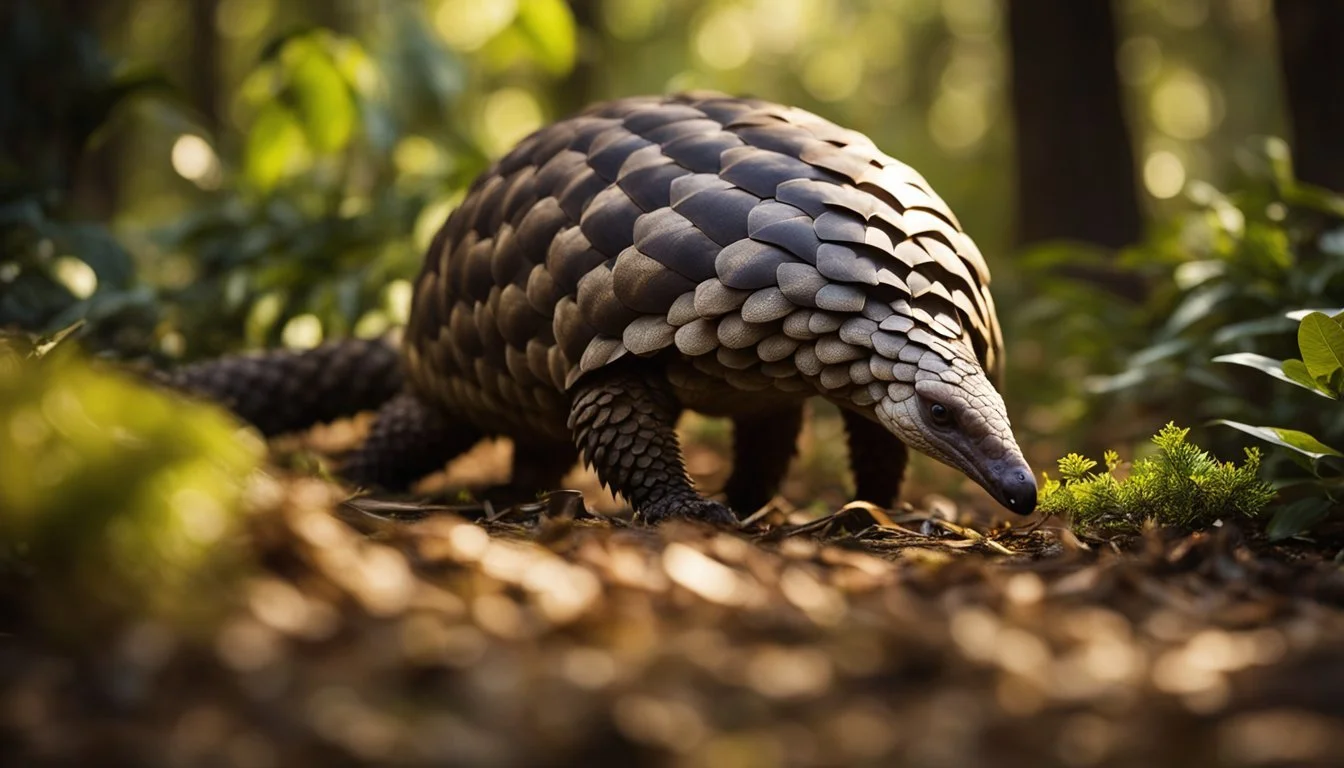
Introduction to pangolins and their unique characteristics
Pangolins are among the most fascinating creatures on our planet, yet many people have never heard of them. These unique mammals, often referred to as “scaly anteaters,” possess a remarkable armor-like exterior made up of keratin scales. This gives them an unmistakable appearance that sets them apart from other wildlife. Found in Asia and Africa, pangolins lead largely nocturnal lives and play crucial roles in their ecosystems.
But there’s much more to these intriguing animals than meets the eye. As guardians of their habitats, pangolins help control insect populations and contribute to soil health through their foraging activities. Yet, despite their importance, they face severe threats that could lead to extinction.
Join us as we delve into the hidden world of pangolins—exploring what makes them so special, the challenges they face today, and why protecting these enchanting creatures is vital for our planet’s future.
The Importance of Pangolins in the Ecosystem
Pangolins play a vital role in maintaining the health of their ecosystems. As insectivores, they primarily feed on ants and termites. Their foraging habits help control these populations, preventing outbreaks that could disrupt local environments.
By burrowing into the ground while searching for food, pangolins aerate the soil. This behavior promotes nutrient cycling and enhances plant growth. Healthy vegetation is essential for both wildlife and human communities.
Moreover, pangolin feces serve as a natural fertilizer. As they digest insects, they enrich the earth with nutrients needed by various plants.
Their unique armor also influences interactions within their habitat. Predators adapt to avoid them due to their tough scales, showcasing how one species can impact predator-prey dynamics.
In essence, pangolins are not just fascinating creatures; they are integral components of their ecological systems. Without them, balance may be disrupted in ways we have yet to fully understand.
Threats to Pangolin Populations
Pangolins face numerous threats that jeopardize their survival. The most pressing issue is habitat loss, driven by deforestation and urban development. As their natural homes disappear, pangolins struggle to find food and shelter.
Additionally, they are heavily targeted for illegal wildlife trade. Their scales are prized in traditional medicine and as status symbols in some cultures. This demand has led to alarming poaching rates across the globe.
Climate change also poses a significant risk. Altered weather patterns can disrupt food sources, affecting the delicate balance of the ecosystems where pangolins thrive.
Moreover, human-wildlife conflict continues to escalate. Encroachment into wild areas often results in deadly encounters with humans or domestic animals.
Each of these factors compounds the challenges faced by pangolin populations worldwide, pushing them further toward extinction without urgent intervention.
Efforts to Protect Pangolins
Conservation organizations around the world are stepping up to protect pangolins. They focus on raising awareness about these remarkable creatures and their critical role in nature.
Field research is essential. Scientists study pangolin habitats, behavior, and populations to inform conservation strategies. Community involvement also plays a key role, as local people can be powerful advocates for wildlife protection.
Legislation is being bolstered globally. Many countries now recognize the need to safeguard pangolins through stricter laws against poaching and illegal trade.
Rescue centers have emerged as sanctuaries for injured or orphaned pangolins. These facilities provide rehabilitation before reintroducing them into the wild whenever possible.
Education programs target schools and communities to spread knowledge about the threats faced by these animals. By fostering empathy and understanding, they aim to inspire future generations of conservationists.
The Illegal Trade of Pangolin Scales
The illegal trade of pangolin scales is a dark and troubling reality. These unique creatures are hunted relentlessly for their keratin-covered bodies, which are falsely believed to possess medicinal properties.
In many cultures, pangolin scales are sought after for traditional remedies. This demand fuels poaching across continents, placing immense pressure on already vulnerable populations.
Smugglers capitalize on the high market value of these scales. They devise intricate routes to transport their illicit cargo, often evading authorities along the way.
Despite international bans on pangolin trafficking, enforcement remains a challenge. Corruption and lack of resources hinder efforts to protect these animals from relentless exploitation.
Organizations around the globe work tirelessly to combat this trade but face an uphill battle against deeply entrenched beliefs and economic incentives driving it forward. The future of pangolins hangs in balance as long as this trade persists unabated.
Cultural Significance of Pangolins
Pangolins hold a special place in various cultures around the world. In some Asian communities, they are revered for their supposed medicinal properties. Traditional medicine practices often utilize pangolin scales, believed to cure ailments ranging from skin conditions to more serious illnesses.
Folklore and myths frequently feature these creatures as symbols of protection and resilience. Their unique armor inspires stories of strength, embodying the idea that appearances can be deceiving.
In Africa, pangolins represent harmony with nature. Indigenous tribes view them as vital components of their ecosystem, signifying balance between humankind and wildlife.
Artisans also draw inspiration from pangolins for jewelry and crafts, creating pieces that celebrate this extraordinary mammal while raising awareness about its plight. Through storytelling and art, cultures highlight the need to protect these remarkable beings for future generations.
Conclusion: Why We Must Protect These Endangered Creatures
Pangolins are not just captivating creatures; they play a crucial role in maintaining the balance of their ecosystems. Their diet helps control insect populations, which can protect crops and reduce pest-related issues for farmers. As these remarkable mammals face dwindling numbers due to habitat loss and illegal trade, it becomes imperative that we raise awareness about their plight.
The extinction of pangolins would have cascading effects on biodiversity, impacting other species and disrupting ecological harmony. Protecting them goes beyond conservation—it’s about preserving our planet’s health.
Conservation efforts need support from individuals and organizations alike. By promoting sustainable practices and advocating for stricter regulations against poaching, we can help ensure that these unique animals thrive in the wild once more.
Understanding pangolins’ cultural significance adds another layer to our responsibility. They hold places of reverence in various cultures around the world, symbolizing resilience and strength. This connection emphasizes why safeguarding their future is essential for both nature enthusiasts and those tied to traditional beliefs.
As stewards of this planet, it’s vital to champion the cause of pangolins as they navigate through a landscape fraught with challenges. Engaging communities, sharing knowledge, and supporting wildlife protection initiatives can pave the way toward a brighter future for these incredible creatures whose armor tells stories far deeper than mere physicality—they reflect an intricate link between humanity and nature itself.