
 By admin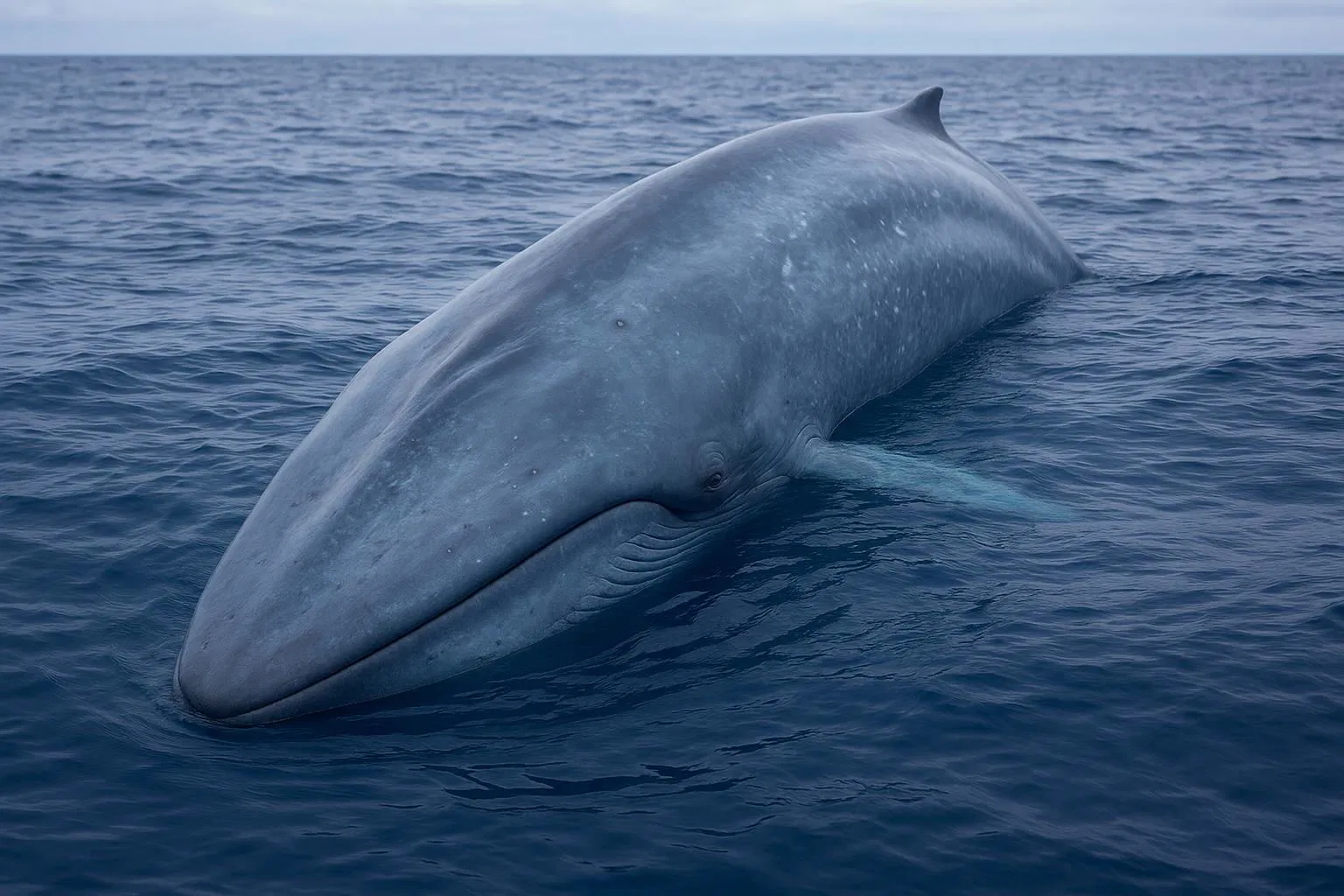
Introduction to the Blue Whale
The blue whale, the magnificent giant of the ocean, captivates our imagination with its sheer size and grace. As the largest creature on Earth, it embodies both beauty and mystery. These gentle giants can reach lengths of up to 100 feet and weigh as much as 200 tons, dwarfing even the largest dinosaurs that ever roamed our planet.
Swimming through deep blue waters, blue whales are not just remarkable for their dimensions but also for their fascinating behaviors and unique characteristics. Despite being a common sight in some parts of the world’s oceans, these majestic animals remain elusive to many. Their songs resonate across vast distances underwater—an enchanting form of communication that echoes through the depths.
Join us as we dive deeper into understanding these incredible beings: from their physical traits to their migration patterns; from how they feed to their life cycles; all while exploring what makes them crucial to marine ecosystems. Prepare to be amazed by nature’s most extraordinary creation—the mighty blue whale.
Physical Characteristics and Size Comparison
The blue whale is an awe-inspiring marvel of nature. It can grow up to 100 feet long, making it the largest animal on the planet. Imagine a creature longer than three school buses lined up end to end.
Its heart alone weighs about as much as a small car, pumping blood through its massive body. The blue whale’s skin shimmers in shades of blue and grey, often adorned with lighter spots that add to its unique beauty.
When compared to other marine animals, the size disparity is striking. For instance, a full-grown adult human could easily fit inside one of its veins! Even larger creatures like the great white shark seem tiny next to this colossal beast.
Despite their enormous size, blue whales are surprisingly graceful swimmers. They glide effortlessly through ocean waters—an enchanting sight for those fortunate enough to witness them in their natural habitat.
Habitat and Migration Patterns
The blue whale calls the vast oceans its home. These gentle giants are found in all major ocean basins, from the frigid Arctic waters to the warm subtropical seas. They prefer deep, open waters where they can dive for food and travel long distances.
Migration is a key part of their life cycle. Blue whales often move seasonally between feeding and breeding grounds. During summer months, they feast on krill in nutrient-rich polar regions. As winter approaches, they migrate towards warmer equatorial areas to breed and give birth.
This journey can stretch over thousands of miles each year. The precise routes may vary depending on environmental conditions or prey availability. Researchers continue studying these patterns to better understand how climate change affects their migration habits and habitat preferences.
Prey and Feeding Habits
The blue whale’s diet is surprisingly simple yet fascinating. These colossal creatures primarily feast on tiny shrimp-like animals called krill. During feeding season, a single adult blue whale can consume up to 4 tons of krill each day.
Using a method known as lunge feeding, the blue whale engulfs large volumes of water rich in prey. It opens its massive mouth and takes in both water and food simultaneously before using its baleen plates to filter out the krill.
Their feeding habits are intricately tied to their migratory patterns. Blue whales travel long distances from breeding grounds to nutrient-rich waters teeming with krill during summer months.
This unique approach allows them to thrive in various oceanic environments while maintaining their impressive size and energy levels. Their specialized adaptations make them one of nature’s most efficient feeders despite their sheer scale.
Reproduction and Life Cycle
Blue whales have a fascinating reproductive cycle. Female blue whales typically give birth every two to three years after a gestation period of about 10 to 12 months.
Once born, calves weigh around 2-3 tons and measure approximately 23 feet long. They grow rapidly, gaining nearly 200 pounds daily in their first year as they consume nutrient-rich milk.
Mother-blue whales are incredibly nurturing. They often spend significant time bonding with their young, teaching them essential survival skills.
Calves remain dependent on their mothers for up to a year before gradually transitioning to independent feeding habits. Juveniles can be seen swimming alongside adults during migration periods.
Reaching full maturity takes time; blue whales usually become sexually mature at around 5 to 10 years old. Their life expectancy ranges from 70 to over 90 years in the wild, allowing them ample opportunity for reproduction throughout their lives.
Conservation Efforts and Threats
Conservation efforts for the blue whale are vital. These magnificent creatures face numerous threats that endanger their survival. Historically, commercial whaling decimated their populations, and although bans were implemented, recovery has been slow.
Today, ship strikes pose a significant risk as vessels traverse busy ocean routes. Collisions can be fatal for these gentle giants. Climate change also impacts their prey availability, disrupting food chains essential for survival.
Organizations worldwide work tirelessly to protect blue whales through research and advocacy initiatives. Stricter regulations on shipping lanes aim to minimize collisions while marine protected areas help safeguard critical habitats.
Public awareness campaigns educate people about the importance of preserving these majestic beings. Support from communities is crucial in ensuring lasting protection against ongoing threats like pollution and habitat degradation. Every effort counts when it comes to safeguarding this iconic species for future generations to admire and respect in our oceans.
Unique Facts and Behaviors
Blue whales possess a range of unique behaviors that set them apart from other marine animals. Their vocalizations are among the loudest in the animal kingdom, with calls reaching up to 188 decibels. This communication aids in locating mates and navigating their vast oceanic environment.
When feeding, blue whales engage in a fascinating technique called lunge feeding. They accelerate toward schools of krill, opening their massive mouths to engulf large quantities of water and prey simultaneously.
These gentle giants can dive for over an hour while searching for food. After surfacing, they often exhibit a behavior known as “spyhopping,” where they rise vertically out of the water to observe their surroundings.
Socially, blue whales tend to be solitary or found in small groups. However, during migration or feeding seasons, they may congregate in larger numbers—a true spectacle on the high seas!
The Impact of Blue Whales on Ecosystems
Blue whales play a crucial role in marine ecosystems. Their immense size allows them to influence nutrient distribution within the ocean. As they swim, they stir up sediments, which fertilizes phytoplankton growth.
Phytoplankton forms the base of the oceanic food web. This tiny organism produces about half of the world’s oxygen and absorbs carbon dioxide from the atmosphere. By supporting this essential component of marine life, blue whales directly contribute to global climate regulation.
Moreover, their feeding habits create habitats for other species. When blue whales dive deep for krill, they leave behind nutrient-rich fecal matter that sustains various marine organisms. This process fosters biodiversity and strengthens overall ecosystem health.
The presence of these giants also attracts ecotourism opportunities, raising awareness about conservation efforts necessary for maintaining healthy oceans. Blue whales embody a vital link between different facets of marine environments that often go unnoticed yet are profoundly impactful.
Human Interaction and Tourism
Human interaction with blue whales has grown as ecotourism becomes more popular. Whale watching tours offer a chance to see these magnificent creatures up close. Tourists are captivated by their size and grace.
However, this increased interest comes with responsibilities. It’s crucial for operators to follow guidelines that protect the whales. Keeping a safe distance is essential to avoid disturbing their natural behaviors.
Responsible tourism can raise awareness about blue whale conservation. Educating visitors on their ecological importance fosters appreciation and respect for marine life.
Some regions have implemented strict regulations to ensure sustainable practices in whale watching activities. This helps strike a balance between human curiosity and the well-being of these gentle giants.
While tourism brings benefits, it’s vital to remain mindful of our impact on the ocean’s ecosystems. Blue whales deserve protection from any harm that may arise from increased human presence in their habitats.
Conclusion: Appreciating the Majesty of the Blue Whale
The blue whale, with its immense size and grace, captures the imagination of all who learn about it. This gentle giant plays a crucial role in marine ecosystems. Observing these magnificent creatures can instill a deep appreciation for nature’s wonders.
As we strive to protect our oceans, it’s vital to remember the importance of conservation efforts focused on blue whales and their habitats. Each sighting serves as a reminder of what is at stake and how our actions impact these incredible beings.
Let us celebrate the majesty of the blue whale while committing ourselves to safeguarding their future. The journey of understanding and protecting this species enriches not only our knowledge but also our connection to the natural world around us.