
 By admin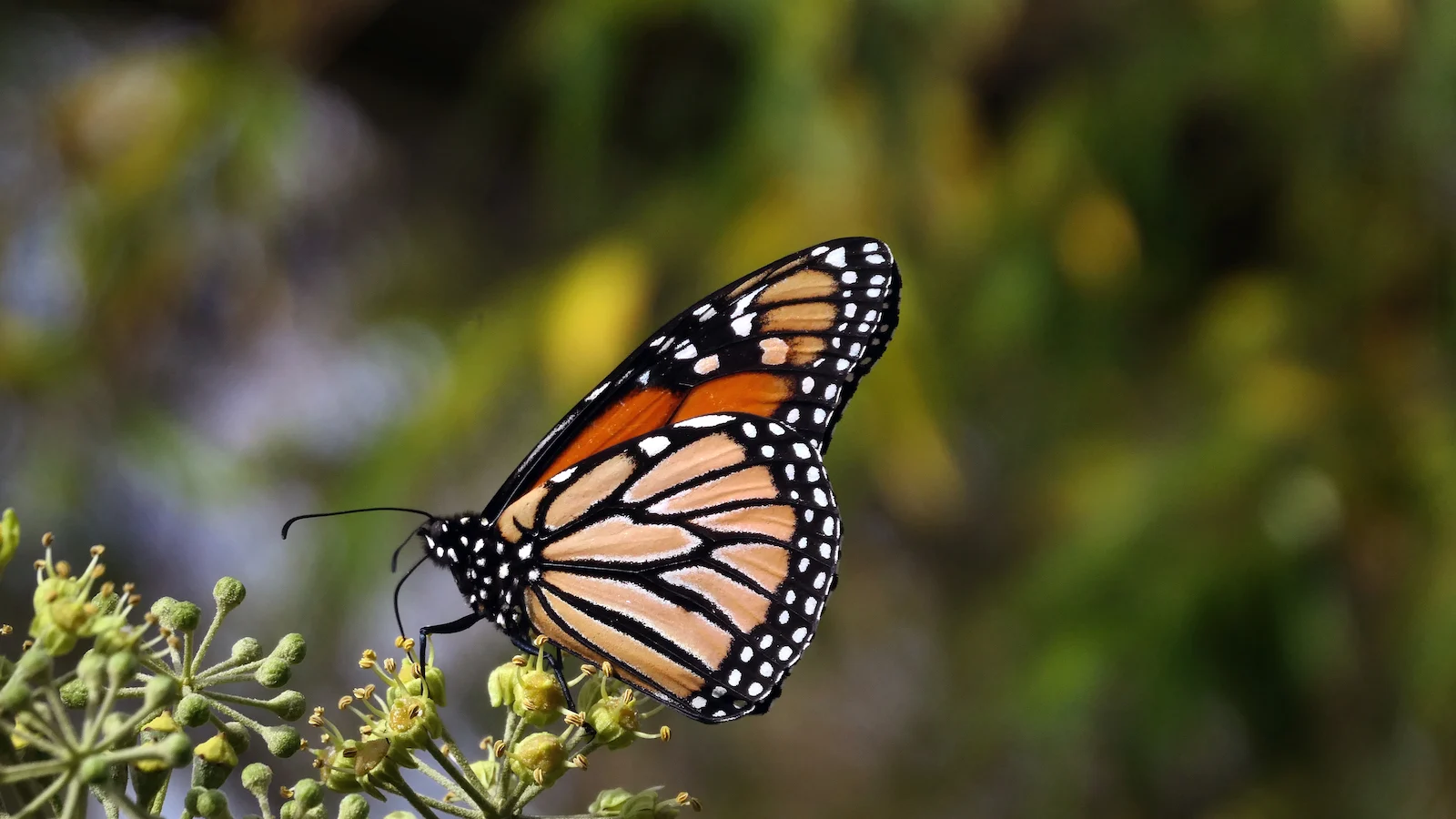
Introduction to the Monarch Butterfly
The monarch butterfly is often hailed as one of nature’s most remarkable creations. With its vibrant orange and black wings, this delicate insect captivates the hearts of many. But there’s more to these butterflies than meets the eye. They are masters of migration, embarking on epic journeys that span thousands of miles. As they flit gracefully through gardens and fields, they remind us of the beauty and fragility of our natural world.
Yet, despite their allure, monarchs face significant challenges in today’s environment. Understanding their life cycle and the threats they encounter can deepen our appreciation for these winged marvels. Join us as we explore the incredible journey, essential habitats, and conservation efforts surrounding the majestic monarch butterfly—an iconic symbol of resilience in nature’s grand tapestry.
The Incredible Journey of the Monarch Butterfly
The migration of the monarch butterfly is nothing short of extraordinary. Each year, millions embark on a long trek from North America to central Mexico. This journey spans over 3,000 miles and takes several generations to complete.
Starting in late summer, they navigate using the sun’s position and Earth’s magnetic field. Along their route, these delicate creatures face numerous challenges—harsh weather conditions, predators, and habitat loss.
As they travel southward, monarchs can fly up to 50 miles per day. They gather in large clusters in trees for warmth during colder nights. Witnessing this phenomenon as they roost together creates a breathtaking spectacle.
Their destination? The high-altitude forests of Mexico’s Sierra Madre mountains where they congregate by the millions each winter before beginning their return trip north come springtime. It’s a remarkable cycle that highlights nature’s beauty and resilience.
The Life Cycle of a Monarch Butterfly
The life cycle of a monarch butterfly is nothing short of fascinating. It begins when a female lays tiny, pearly eggs on the underside of milkweed leaves. Each egg is about the size of a pinhead and can hatch in just three to five days.
Once hatched, the caterpillar emerges as a voracious eater. This stage lasts approximately two weeks, during which it sheds its skin multiple times while growing significantly larger.
After reaching full size, the caterpillar forms a chrysalis. Inside this protective casing, an incredible transformation occurs over 10 days or so. The caterpillar becomes unrecognizable as its body reconfigures into that of a butterfly.
Eventually, it breaks free from the chrysalis as an adult monarch butterfly with vibrant orange and black wings ready to take flight for its remarkable journeys ahead.
The Importance of Milkweed in the Monarch’s Survival
Milkweed is the lifeblood of the monarch butterfly. This plant serves as the exclusive host for their larvae, offering a safe haven where caterpillars can develop.
Without milkweed, monarch populations would face dire consequences. Female butterflies lay their eggs only on this plant. The caterpillars that emerge rely entirely on its leaves for nourishment and growth.
Beyond sustenance, milkweed offers a protective environment. Its toxic compounds deter predators, helping young caterpillars thrive during their vulnerable stages.
As urban development expands and pesticides proliferate, milkweed habitats are disappearing at an alarming rate. Conservation efforts focused on preserving these essential plants are critical to ensuring that future generations of monarchs can continue their remarkable journey across North America.
Planting native species of milkweed in gardens can make a significant impact too. Every little effort contributes to restoring balance in nature and supporting these incredible insects in their fight for survival.
Threats to the Monarch Butterfly Population
The monarch butterfly faces numerous threats that jeopardize its population. Habitat loss is a primary concern. Urban development and agriculture have eradicated vital breeding and migration sites.
Pesticides are another significant danger. Chemicals used in farming can be lethal to both adult butterflies and their larvae, disrupting their life cycle.
Climate change poses additional challenges. Shifting weather patterns affect migration routes, with unexpected storms or temperature fluctuations impacting survival rates.
Predation also plays a role in diminishing numbers. While monarchs possess some natural defenses, birds and other predators still target them during vulnerable stages.
Conservation efforts aim to address these issues, but the clock is ticking for this magnificent species as they navigate an increasingly hostile environment.
Efforts to Protect and Conserve the Monarch Butterfly
Various organizations and individuals are stepping up to protect the monarch butterfly. Conservation initiatives focus on creating habitats that cater to their unique needs.
Planting milkweed is a primary strategy, as this plant serves as the sole food source for monarch caterpillars. Communities are encouraged to incorporate milkweed into gardens and public spaces.
In addition, educational programs aim to raise awareness about the challenges faced by these butterflies. Schools often engage students in hands-on activities, like raising caterpillars or participating in tagging projects.
Legislation also plays a crucial role. Policies promoting pesticide reduction help create safer environments for both adult butterflies and larvae.
Collaboration among governments, NGOs, and citizens fosters an atmosphere of shared responsibility. Each small action contributes significantly toward ensuring that future generations can appreciate the beauty of these winged marvels.
Fascinating Facts about the Monarch Butterfly
The monarch butterfly is a true marvel of nature. One of its most astonishing features is its ability to migrate over 3,000 miles each year. This epic journey takes them from North America to central Mexico.
Remarkably, these butterflies can fly at altitudes exceeding 10,000 feet. They navigate using the sun and Earth’s magnetic field, showcasing their incredible instincts.
Monarchs are also known for their striking orange and black wings. This vibrant coloration serves as a warning to predators about their toxicity.
Interestingly, they go through four stages in their life cycle: egg, larva (caterpillar), pupa (chrysalis), and adult butterfly. Each stage has its unique characteristics that contribute to the butterfly’s beauty.
Monarchs can live several months during migration but only a few weeks in summer seasons. Their resilience truly highlights the wonders of this delicate creature.
Conclusion: Appreciating and Preserving Nature’s Winged Marvel
The monarch butterfly captivates us with its vibrant colors and remarkable journey. As we learn about this magnificent creature, it becomes clear that each aspect of its life is intricately connected to the environment around it. Monarchs symbolize resilience and beauty in nature, yet they are also a reminder of our responsibility to protect the ecosystems they inhabit.
Preserving milkweed habitats, supporting conservation efforts, and spreading awareness are vital steps we can take. By fostering an appreciation for these winged marvels, we inspire future generations to engage with nature actively. The more we understand about the monarch butterfly’s challenges and triumphs, the better equipped we’ll be to safeguard their existence.
As stewards of the earth, let’s join forces in ensuring that these enchanting butterflies continue to grace our skies for years to come. Embracing their role in biodiversity enriches not only our landscapes but also our lives—making every fluttering flight a celebration of nature’s wonders.