
 By admin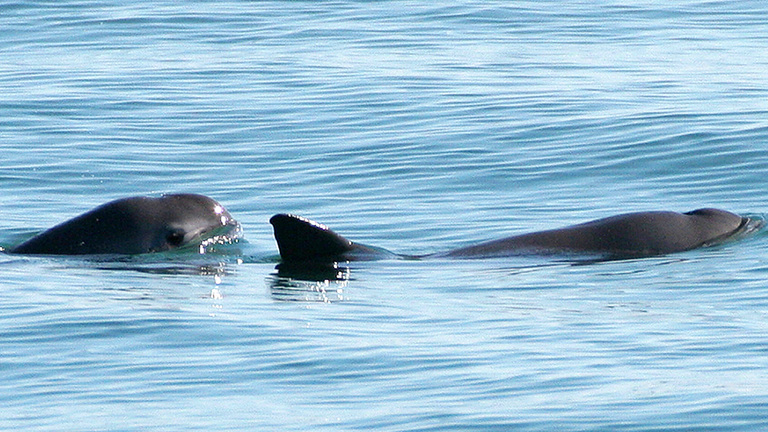
Introduction to the Vaquita and its current status as the most endangered marine mammal
Deep in the warm waters of the Gulf of California swims a creature that captures both wonder and sorrow: the vaquita. This small porpoise, no larger than a child’s bathtub, holds the unfortunate title of being the world’s most endangered marine mammal. With fewer than 30 individuals left, each sighting feels like spotting a ghost—an elusive reminder of what we stand to lose if action isn’t taken swiftly. The plight of the vaquita is not just about numbers; it reflects our relationship with nature and highlights urgent questions about conservation efforts on our planet. As we delve into its unique characteristics and critical role in marine ecosystems, we’ll uncover why this tiny porpoise deserves all our attention—and more importantly, how we can help save it from extinction.
The unique characteristics of the Vaquita and its importance in the ecosystem
The vaquita is not just another marine mammal; it’s a unique gem of the ocean. This small porpoise measures about five feet long and weighs around 120 pounds, making it the smallest member of its family. Its striking appearance features dark rings around its eyes and a light gray body that gradually fades to white underneath.
These characteristics help the vaquita navigate through murky waters while hunting for fish, squid, and crustaceans. As an apex predator in its habitat, it plays a vital role in maintaining the balance of marine ecosystems.
By controlling fish populations and promoting healthy biodiversity, vaquitas indirectly support other species as well. Their presence signifies a thriving environment where various marine life can flourish—a crucial indicator of ecosystem health that we cannot afford to lose.
Threats to the Vaquita’s survival, including illegal fishing practices and habitat destruction
The vaquita is under relentless threat from illegal fishing practices. Fishermen often use gillnets to catch totoaba, a fish whose swim bladder is highly prized in traditional medicine. Tragically, these nets ensnare vaquitas as bycatch, trapping them in an unavoidable death grip.
Habitat destruction compounds the issue. The Sea of Cortez, where vaquitas reside, faces pollution and boat traffic that disrupts their natural environment. As coastal development expands, vital breeding grounds are diminished.
Climate change also poses a hidden risk. Rising water temperatures can alter the distribution of prey species for vaquitas, making it harder for them to find food.
These threats create a perfect storm for this small porpoise’s survival. Every action taken against these dangers is crucial if we hope to see future generations of this magnificent creature thrive in its native waters.
Conservation efforts and initiatives to save the Vaquita, such as the Mexican government’s emergency plan and international partnerships
Conservation efforts to save the vaquita are gaining urgency. The Mexican government has implemented an emergency plan aimed at protecting this critically endangered species. This includes a ban on gillnets, which have been the primary cause of vaquita deaths.
International partnerships play a crucial role in these initiatives. Organizations like WWF and Ocean Conservancy are collaborating with local communities and governments to raise awareness about the plight of the vaquita.
Funding is also vital. Grants from environmental bodies help support surveillance operations to enforce fishing regulations in protected areas.
Innovative technology, such as underwater drones and acoustic monitors, is being used to track vaquitas and their habitats more effectively. These tools aim not only to protect them but also to gather data that can inform future conservation strategies.
The road ahead remains challenging, but combined efforts offer hope for the survival of this precious marine mammal.
Challenges faced in protecting the Vaquita, such as lack of resources and political obstacles
The plight of the vaquita is further complicated by significant challenges that hinder its protection. Limited funding and resources make it difficult to implement effective conservation strategies. Without adequate financial backing, efforts to monitor their habitat and enforce fishing regulations suffer.
Political obstacles also play a crucial role in the struggle for the vaquita’s survival. While some government initiatives exist, political will fluctuates. Bureaucratic red tape can delay or derail important actions needed to protect this endangered species.
Moreover, local communities often rely on fishing for their livelihoods, creating tension between conservation goals and economic needs. Balancing these interests presents an ongoing challenge.
Addressing these barriers requires collaborative efforts from various stakeholders—governments, NGOs, scientists, and local communities alike must work together. Only through unified action can we hope to give the vaquita a fighting chance against extinction and restore balance within its fragile ecosystem.