
 By admin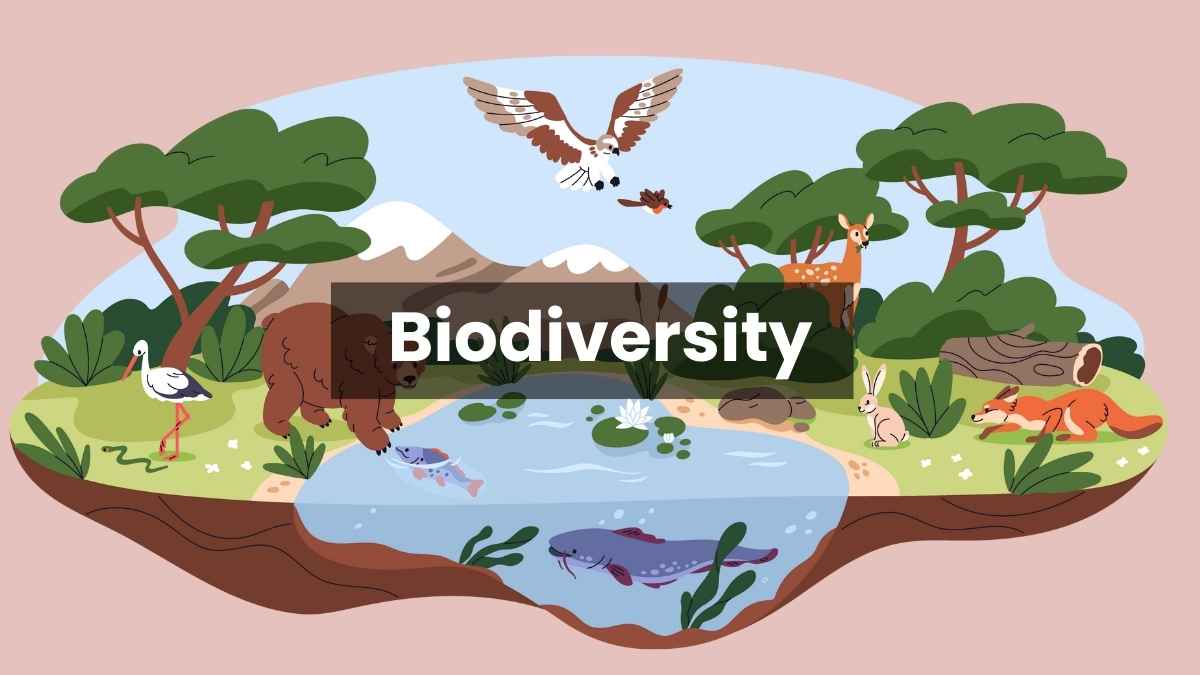
Introduction to Biodiversity
Biodiversity is the intricate tapestry of life that envelops our planet. It encompasses every living organism, from the tiniest microbes in the soil to majestic elephants roaming vast savannas. But what exactly is biodiversity? It’s more than just a collection of species; it’s about the relationships and interactions between them that create resilient ecosystems. Each thread in this web has its own unique role, contributing to a balanced environment where all forms of life thrive.
Understanding biodiversity gives us insight into how interconnected we really are with nature. As we delve deeper into this subject, we’ll uncover not only why diversity matters but also what threatens it and how we can work together to protect it for future generations. Let’s embark on this journey through the various dimensions of biodiversity and discover how each one of us plays a vital part in preserving our planet’s precious resources.
The Importance of Biodiversity
Biodiversity is the backbone of our planet’s health. It encompasses all living organisms, from tiny microbes to towering trees. Each species plays a unique role in maintaining ecological balance.
A diverse ecosystem ensures resilience against environmental changes. When one species thrives or declines, it impacts others within its habitat. This interconnectedness sustains food webs and supports natural processes like pollination and nutrient cycling.
Moreover, biodiversity enriches human life. It offers resources for medicine, agriculture, and industry. Many plants used in traditional remedies come from rich ecosystems teeming with various species.
Cultural diversity also ties closely to biological diversity. Many communities cherish their local flora and fauna as part of their heritage, fostering a deep connection between people and nature.
Protecting biodiversity means safeguarding our future on this planet—a future where every organism contributes to the web of life we rely upon each day.
Threats to Biodiversity
Biodiversity faces numerous threats that jeopardize the delicate balance of ecosystems. Habitat destruction stands at the forefront, driven by urban expansion, agriculture, and deforestation. As natural environments shrink, countless species lose their homes.
Pollution is another critical issue. Contaminants in air, water, and soil disrupt food chains and harm wildlife. Marine life suffers greatly from plastic waste and chemical runoff.
Climate change amplifies these challenges. Rising temperatures affect migration patterns and breeding seasons while altering habitats irreversibly.
Invasive species pose a hidden threat as well. When non-native organisms enter new ecosystems, they can outcompete local flora and fauna for resources, leading to declines or extinctions.
Overexploitation of resources further exacerbates the situation. Unsustainable fishing practices and poaching place immense pressure on vulnerable populations worldwide. Each of these factors intertwines to create a complex web of challenges for biodiversity’s survival.
Conservation Efforts and Solutions
Conservation efforts are crucial for preserving biodiversity. Around the world, organizations and governments are implementing various strategies to combat species loss.
Protected areas play a vital role in this mission. National parks, wildlife reserves, and marine protected zones serve as sanctuaries where ecosystems can thrive without human interference.
Community involvement is equally important. Local populations often have invaluable knowledge about their environment. Empowering them fosters sustainable practices that benefit both people and nature.
Restoration projects also make a difference. Rehabilitating degraded habitats can revive ecosystems and support endangered species while engaging volunteers enhances community awareness of biodiversity issues.
Innovative technologies now aid conservation too. Drones survey remote areas, while genetic research helps preserve threatened species by understanding their vulnerabilities better.
Combining these approaches creates a multifaceted solution to protect our planet’s rich tapestry of life from further decline.
Examples of Biodiversity Hotspots
Biodiversity hotspots are regions with an exceptional variety of life. They host many endemic species, meaning these plants and animals can’t be found anywhere else on Earth.
The Amazon rainforest is a prime example. It houses countless species, from vibrant birds to unique mammals. This vast ecosystem plays a crucial role in carbon storage and climate regulation.
Another hotspot is the Coral Triangle in Southeast Asia. Known as the “Amazon of the seas,” it supports over 600 fish species and extensive coral reefs. These marine ecosystems are vital for global biodiversity.
Madagascar stands out too, with about 90% of its wildlife being endemic. From lemurs to baobab trees, this island showcases nature’s creativity at every turn.
These areas illustrate how rich our planet’s diversity can be, but they also highlight the urgent need for protection efforts worldwide.
How Individuals Can Contribute to Protecting Biodiversity
Every person can play a role in protecting biodiversity. Small actions can lead to significant change.
Start by reducing waste. Use reusable bags, bottles, and containers instead of single-use products. This simple shift lessens pollution and conserves resources.
Support local wildlife. Create habitats in your garden by planting native flowers or leaving areas wild. These spaces provide food and shelter for various species.
Educate yourself and others about the importance of biodiversity. Share what you’ve learned with friends, family, or community groups. Awareness is a powerful tool.
Consider sustainable choices when shopping. Opt for products that are eco-friendly and ethically sourced. Your purchasing power can make a difference in conservation efforts.
Get involved with local organizations dedicated to environmental preservation. Volunteering time or resources amplifies collective effort towards safeguarding ecosystems.
Be mindful of your carbon footprint by using public transport or carpooling whenever possible to help combat climate change’s impact on biodiversity.
Conclusion
Biodiversity is the intricate web of life that sustains our planet. It encompasses every living organism, from the tiniest microbes to the largest mammals, and even extends to plants and ecosystems. Understanding biodiversity sheds light on its importance in maintaining ecological balance, human health, and global climate stability.
The threats facing biodiversity are formidable. Habitat destruction, climate change, pollution, and overexploitation are just a few of the challenges we encounter daily. These factors not only threaten species but also compromise vital ecosystem services that all life depends on.
However, efforts to conserve biodiversity are underway across various fronts. Protected areas have been established worldwide to safeguard critical habitats. Conservation organizations work tirelessly to restore ecosystems and raise awareness about endangered species.
Some regions stand out as biodiversity hotspots due to their unique flora and fauna combined with significant threat levels. Places like the Amazon rainforest or Madagascar exemplify this richness yet highlight urgent conservation needs.
Every individual has a role in protecting this precious resource. Simple actions such as supporting sustainable products or participating in local conservation projects can make a difference.
Understanding what is biodiversity allows us to appreciate its value fully. Each one of us holds power in fostering an environment where diverse life forms can thrive for generations to come.